



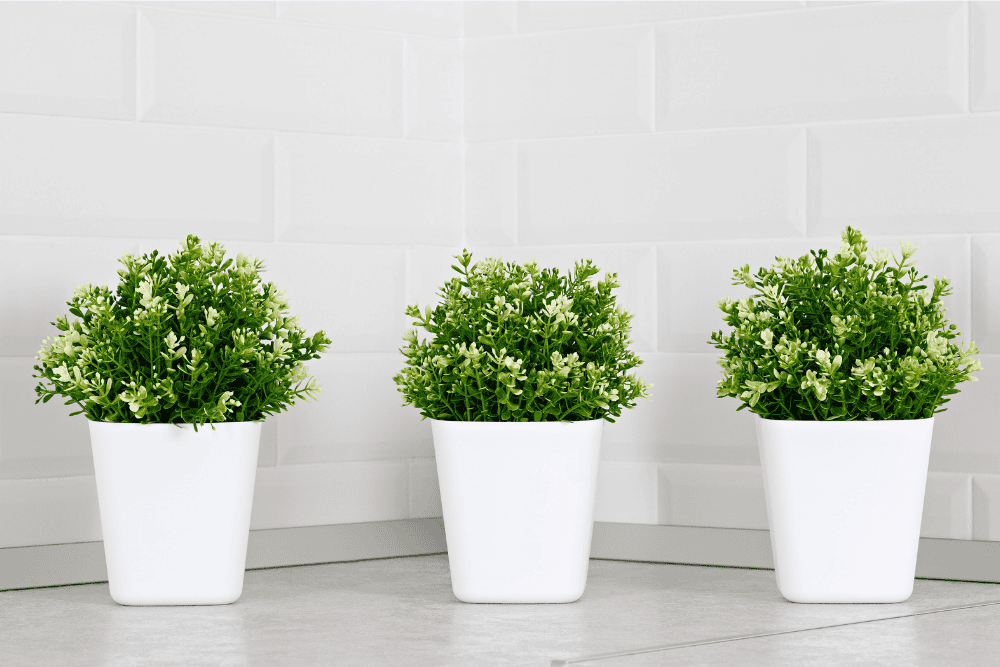
The Ultimate Guide to Maintaining Your Artificial Plants
Artificial plants offer a hassle-free way to bring nature into your home or office without the worries of watering, sunlight, or soil. They remain vibrant and lifelike throughout the year, making them a popular choice for decor. Maintaining your artificial plants is easy when you know the proper care techniques. With minimal effort, you can ensure your artificial greenery retains its beauty, color, and longevity.
In this comprehensive guide, we’ll explore all the essential tips for keeping your artificial plants in top condition, addressing cleaning techniques, storage, and strategies for handling common issues like dust accumulation and discoloration. Whether you’re a seasoned artificial plant enthusiast or a newbie looking to decorate with low-maintenance greenery, these tips will help you enjoy your plants for years to come.
Easy Tips for Maintaining Your Artificial Plants
Artificial plants, while low-maintenance compared to real ones, still require occasional care to stay looking their best. Here are some easy tips for maintaining your artificial plants:
1. Regular Dusting is Crucial
Dust can accumulate quickly on artificial plants, making them look dull and lifeless. Dusting regularly, at least once every few weeks, is essential to keep your plants looking fresh. A microfiber cloth or a soft brush is ideal for gently wiping down the leaves and stems. For hard-to-reach areas, you can use a handheld vacuum with a soft brush attachment.
2. Clean the Leaves with a Damp Cloth
For deeper cleaning, use a damp cloth to wipe down the leaves. Avoid soaking the cloth to prevent water from seeping into the plant structure. Mild soap and water can be used to remove stubborn dirt or grime. Gently wipe each leaf and stem to bring back the plant’s natural shine.
3. Use a Leaf Shine Product
To enhance the appearance of your artificial plants, use a commercial leaf shine product. These products are designed specifically for artificial greenery and can give your plants a glossy, healthy appearance. However, avoid over-applying these products, as it can create a buildup that may attract more dust.
4. Spot Clean with a Toothbrush
If there are stubborn dirt spots or debris stuck between the leaves or flower petals, use an old toothbrush to gently scrub the area. This helps dislodge dirt without damaging the delicate materials of the plant.
5. Use Compressed Air for Hard-to-Reach Areas
Compressed air is a quick and efficient way to remove dust from artificial plants, especially from the crevices where dust tends to accumulate. Hold the can upright and use short bursts to clean the plant, particularly around the base and between the leaves.
6. Keep Away from Direct Sunlight
While artificial plants won’t die from lack of sunlight, prolonged exposure to direct sunlight can cause the colors to fade over time. To keep your plants vibrant, place them in areas with indirect sunlight or rotate them periodically to ensure even fading, should that happen.
7. Store Properly During Off-Seasons
If you’re using seasonal artificial plants, like Christmas trees or autumn-themed decor, it’s important to store them properly during the off-season. Keep them in a cool, dry place away from heat and humidity, which can cause the materials to degrade or warp. Use plastic storage bins with airtight lids to protect them from dust and dirt.
8. Avoid Using Harsh Chemicals
When cleaning your artificial plants, always avoid harsh chemicals or abrasive materials, as they can damage the plant’s surface. Stick to mild soap, water, and gentle cloths. If needed, a solution of equal parts water and vinegar can help disinfect and clean the plants without causing harm.
9. Repositioning and Pruning
Over time, artificial plants can lose their shape due to handling or natural wear. Gently reposition any branches, leaves, or flowers that appear out of place to maintain their natural appearance. If any flowers or leaves have been damaged, consider cutting them off to preserve the overall look of the plant.
Benefits of Maintaining Artificial Plants
Maintaining artificial plants doesn’t just help in keeping them looking beautiful—it also extends their lifespan and ensures your space always looks well-decorated. Here are some key benefits:
1. Cost-Effective Long-Term Solution
Artificial plants are a one-time investment, unlike real plants that require continuous spending on water, soil, and fertilizers. With proper care, artificial plants can last for many years, saving you money over time.
2. No Allergy Concerns
Unlike real plants, which can trigger allergies in sensitive individuals due to pollen and spores, artificial plants are hypoallergenic. This makes them a great option for homes or offices with allergy sufferers.
3. Low Maintenance
One of the primary reasons people choose artificial plants is because of the minimal maintenance required. They don’t need to be watered, pruned, or replanted. With a bit of cleaning every few weeks, your plants will always look fresh and vibrant.
4. Perfect for Hard-to-Reach Areas
Artificial plants are great for places where real plants struggle to thrive, such as dark corners, windowless rooms, or high shelves. They maintain their appearance without needing sunlight or specialized care.
How to Revitalize Faded Artificial Plants
Over time, artificial plants can lose their luster due to factors like sunlight exposure, dust buildup, and age. If your artificial plants start to look a little faded or dull, here’s how to bring them back to life:
1. Use Fabric Paint or Spray Paint
For fabric-based artificial plants like silk flowers, you can use fabric paint or fabric dye to refresh the color of the leaves or petals. Lightly spray or apply the paint to the affected areas, making sure to do so in a well-ventilated area.
2. Consider Replacing Parts
If certain sections of your artificial plant, like flowers or leaves, have become damaged or permanently faded, consider replacing those individual parts. Many online stores offer replacement parts that can help you rejuvenate your plant without having to buy a completely new one.
3. Clean Thoroughly and Add a New Coat of Leaf Shine
After a thorough cleaning, use a fresh layer of leaf shine to restore the plant’s natural sheen and vibrancy. This will give the plant a glossy finish and make it look more lifelike.
How to Store Artificial Plants Properly
To ensure the longevity of your artificial plants, it’s essential to store them correctly during the offseason. Here are a few tips on how to store your artificial plants:
1. Use Plastic Storage Containers
Storing artificial plants in plastic containers will protect them from dust, dirt, and moisture. Choose containers that are large enough to accommodate the plant without crushing it.
2. Wrap Plants in Fabric or Cloth
If you’re storing plants for a long period, wrap them in soft cloth or fabric to protect the delicate parts from being scratched or damaged.
3. Avoid High Humidity
Ensure that the storage area is cool and dry. High humidity can cause the materials of the plants to deteriorate. A dry, dark closet or storage room is ideal.
4. Label Storage Bins
If you have multiple plants, label the storage bins so that you can easily identify and retrieve them when needed. This will save you time and frustration when bringing them out again.
Frequently Asked Questions (FAQs)
1. How do I clean my artificial plants without damaging them?
To clean artificial plants, use a microfiber cloth or soft brush to remove dust. For deeper cleaning, use a damp cloth with mild soap and water. Avoid using harsh chemicals that can damage the surface.
2. Can artificial plants fade over time?
Yes, artificial plants can fade if exposed to direct sunlight for prolonged periods. To prevent this, place your plants in areas with indirect light and rotate them regularly.
3. Can I use artificial plants outdoors?
While some artificial plants are designed for outdoor use, most are best suited for indoor environments. If used outdoors, ensure they are kept in shaded areas and protected from harsh weather conditions.
4. How often should I dust my artificial plants?
It’s a good idea to dust artificial plants once every two weeks to prevent dust buildup. In areas with more dust, you may need to clean them more frequently.
5. How can I make my artificial plants look more realistic?
To make artificial plants look more realistic, consider using leaf shine products, cleaning them regularly, and ensuring they are placed in areas with good lighting. Also, don’t forget to occasionally reshape or prune the plant.
6. Can I repaint my artificial plants if they start to look worn out?
Yes, you can use fabric paint or spray paint to revitalize the color of artificial plants, especially for fabric-based ones like silk flowers. Just be sure to follow the instructions on the product to avoid damage.
By following these simple tips and techniques, you can enjoy your artificial plants for years to come, keeping them fresh, vibrant, and lifelike. Whether you’re maintaining a small indoor garden or decorating a large commercial space, proper care of artificial plants will ensure that they always enhance your environment.
Share This Post:
Facebook
Twitter
LinkedIn
Pinterest
Latest Projects
⑊
What Our Clients Say
"From start to finish, working with Floral was a breeze. They provided a fantastic selection of artificial arrangements that added a touch of luxury to our venue. The plants are realistic and beautiful."
Farida KhaledEvent Planner
"We were looking for something to brighten up our living room, and Floral delivered. The artificial trees and flowers were perfect, providing elegance without upkeep. A fantastic addition to our home."
Maya FathyHomeowner
"Working with Floral was a pleasure. Their artificial plants are perfect for our office, brightening the space without the care real plants need. We’re very pleased and highly recommend them."
Hani OmarOperations Manager
Sign Up & Enjoy 10% Off Your First Order