




Artificial Flowers for a Realistic Look: What You Need to Know
Artificial flowers have become increasingly popular in modern home decor. They offer a durable and maintenance-free alternative to fresh flowers, and with advancements in design, many of them look so realistic that it’s hard to tell them apart from the real thing. Knowing how to choose artificial flowers for a realistic look is essential to make them appear lifelike. In this guide, we’ll explore the various factors you should consider when selecting artificial flowers, tips to make them look more natural, and ways to incorporate them into your home decor.
How to Choose Artificial Flowers for a Realistic Look
When selecting artificial flowers, your primary goal should be achieving a realistic look. There are a few key considerations to keep in mind that will help you choose flowers that are almost indistinguishable from the real deal.
1. Pay Attention to the Material
One of the most important factors in choosing realistic-looking artificial flowers is the material used. Flowers made from high-quality materials tend to look more lifelike. Common materials for realistic flowers include:
- Silk: Silk flowers are often considered the best option for lifelike replicas. The fabric feels soft, and the colors are vibrant. They also tend to have a natural sheen that mimics real flowers.
- Polyester: Polyester is another popular material used in high-end artificial flowers. It’s durable, resists fading, and offers a more flexible option for flower petals.
- Latex: Latex flowers are known for their exceptional realism. They have a rubbery feel, closely resembling the texture and pliability of real petals.
- Plastic (with UV protection): Some plastic flowers come with UV protection to prevent fading, making them suitable for both indoor and outdoor settings. However, they’re usually best for outdoor decor.
2. Examine the Petals Closely
When choosing artificial flowers, take the time to examine the petals closely. A realistic flower should have soft, subtle color gradients. The petals should also have visible veins and edges that look slightly frayed, mimicking the natural imperfections of real flowers.
- Color and Detailing: The more attention to detail in the flower, the more realistic it will look. A well-crafted artificial flower will have varying shades of color on each petal, with darker hues near the base and lighter ones towards the tips.
- Texture: Real flowers have texture, so look for artificial flowers that replicate this. The surface of the petals should have a soft feel, and some may even have a slight fuzziness, which is common in flowers like roses or daisies.
3. Consider the Stems and Leaves
Just as the flowers themselves are important, the stems and leaves of artificial flowers play a significant role in their overall appearance. A flower with a sturdy yet flexible stem that can bend naturally looks more authentic.
- Leaves: Look for artificial flowers with leaves that feature realistic veining and subtle color changes. The leaves should have a natural, soft texture rather than a stiff, shiny appearance.
- Stems: The stem of a realistic artificial flower should also mimic the look and feel of a real stem. It should have a slightly rough texture, be a soft green or brown shade, and may even include small thorns or fine hairs, depending on the flower type.
4. Focus on Size and Shape
The size and shape of the flowers you choose should be appropriate for your space and what you want to achieve in your decor. For a realistic look, the flowers should match the proportions of their real counterparts. For example, a large, exaggerated bloom might not appear as lifelike as a more moderate-sized flower.
- Bloom Shape: Ensure that the flowers’ blooms resemble those of their natural versions. A peony should have layers of delicate petals, while a sunflower should have a prominent, large center surrounded by smaller petals.
5. Choose the Right Colors
Color plays an important role in achieving a lifelike appearance. Artificial flowers come in a range of colors, but it’s best to choose flowers with colors that match those found in nature. Bright, neon shades are often too artificial, so opt for more muted tones.
- Subtle Color Variations: Real flowers often have subtle variations in color. For instance, roses might be lighter at the tips and darker toward the center. These small details can make a huge difference in how realistic your flowers look.
- Seasonal and Natural Tones: Flowers that mimic the colors of real, seasonal flowers will look the most natural. If you’re aiming for a fresh look, choose flowers in colors that are found in nature for that particular season.
6. Look for Realistic Accessories
Realistic artificial flowers often come with additional accessories that enhance their authenticity. Some flowers include small buds, berries, or additional leaves. These small details can make your arrangement look more natural. Additionally, a natural-looking vase or container will complement your flowers and add to their lifelike appeal.
7. Check the Construction
For the most realistic results, it’s essential to choose artificial flowers that are constructed with attention to detail. High-quality flowers are often hand-assembled, and their petals, leaves, and stems are carefully attached to create a uniform look.
- Individual Petals: Look for flowers where the individual petals are sewn or glued securely. High-end flowers will have a consistent shape and will not appear disjointed or cheap.
Arranging Artificial Flowers for Maximum Realism
Once you’ve selected the perfect artificial flowers, it’s time to arrange them. Here are some tips for making your flowers appear even more lifelike:
1. Mix with Real Flowers
A great way to make artificial flowers look more natural is to mix them with real flowers. A few fresh blooms can distract from the artificial ones and make the overall arrangement look more authentic.
2. Use the Right Vase
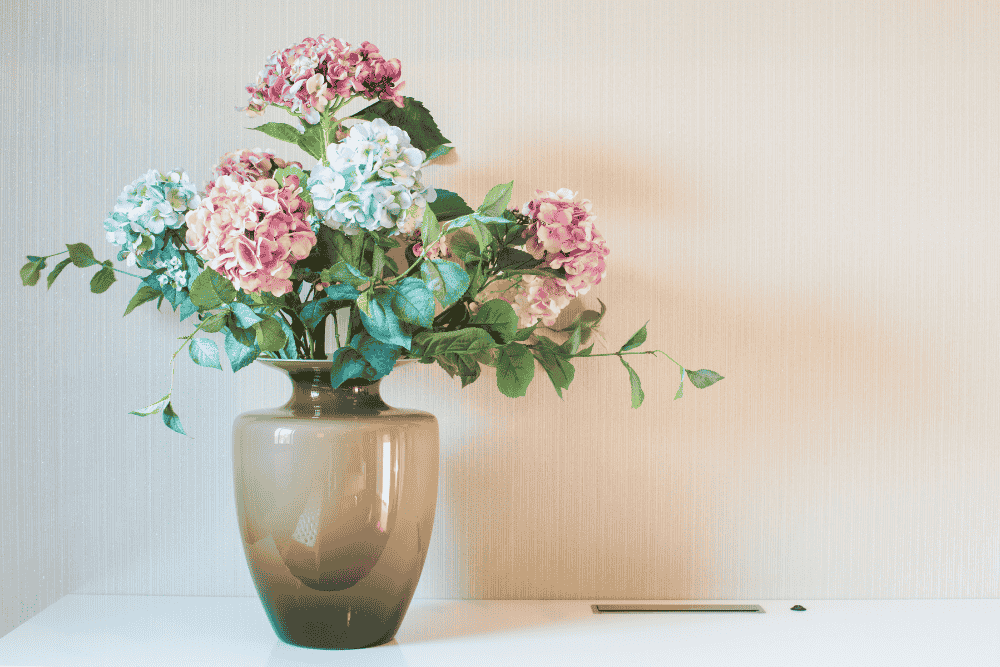
Choosing the correct vase or container can make all the difference in making artificial flowers look realistic. Use a vase that complements the flowers, and consider the height, shape, and texture of the container. A well-chosen vase will enhance the natural appearance of the arrangement.
3. Group Flowers Together
When arranging artificial flowers, group similar types of flowers together. This mimics the way real flowers grow in bunches, making the arrangement look more organic. Avoid placing single flowers in isolated spots as they often look too staged.
4. Consider Lighting
Lighting plays a significant role in making artificial flowers look more realistic. Place your flowers in a well-lit spot where the light can bring out the subtle textures and color variations in the petals. Avoid direct sunlight, which could cause the flowers to fade over time.
5. Regular Maintenance
To keep artificial flowers looking fresh, periodically dust them off and remove any accumulated dirt or debris. You can use a soft brush or a can of compressed air to clean hard-to-reach areas.
Frequently Asked Questions (FAQs)
Q1: How long do artificial flowers last?
Artificial flowers can last many years if taken care of properly. Depending on the material, the flowers can withstand fading, tearing, and other wear for a long time. Silk flowers, in particular, can last for 5-10 years if kept in proper conditions.
Q2: Can I use artificial flowers for outdoor decorations?
Yes! Many high-quality artificial flowers are UV-protected, making them perfect for outdoor use. However, ensure the flowers you choose are rated for outdoor use and protected from the elements to prevent fading or damage.
Q3: How do I clean my artificial flowers?
To clean artificial flowers, use a soft, damp cloth or a feather duster to gently wipe off dust. For more stubborn dirt, use a can of compressed air or a mild detergent solution to clean them. Be sure to dry the flowers completely after cleaning.
Q4: Are artificial flowers good for allergies?
Artificial flowers are a great choice for people with allergies since they don’t produce pollen. They offer all the beauty of fresh flowers without the risk of triggering allergic reactions.
Q5: Can I mix artificial flowers with real flowers in a vase?
Yes, mixing real and artificial flowers in a vase can enhance the realism of the arrangement. Just be sure to use flowers that are similar in style and color for a cohesive look.
Q6: How do I make my artificial flowers look more realistic?
To make artificial flowers appear more realistic, focus on choosing high-quality materials, pay attention to the details such as texture, color, and shape, and arrange them in a natural-looking way. Proper lighting and periodic maintenance also help keep them looking fresh.
Share This Post:
Facebook
Twitter
LinkedIn
Pinterest
Latest Projects
⑊
What Our Clients Say
"From start to finish, working with Floral was a breeze. They provided a fantastic selection of artificial arrangements that added a touch of luxury to our venue. The plants are realistic and beautiful."
Farida KhaledEvent Planner
"We were looking for something to brighten up our living room, and Floral delivered. The artificial trees and flowers were perfect, providing elegance without upkeep. A fantastic addition to our home."
Maya FathyHomeowner
"Working with Floral was a pleasure. Their artificial plants are perfect for our office, brightening the space without the care real plants need. We’re very pleased and highly recommend them."
Hani OmarOperations Manager
Sign Up & Enjoy 10% Off Your First Order