





How to Create a Beautiful Indoor Garden with Artificial Plants
Creating an indoor garden with artificial plants is a great way to enjoy nature indoors. Whether you’re a plant enthusiast who wants the charm of greenery without the maintenance or someone looking to refresh your indoor space, artificial plants offer an excellent solution. These plants provide the aesthetic beauty of real plants but require minimal care. The right artificial plants can transform your living space into a serene, vibrant oasis that feels natural and inviting.
In this guide, we will walk you through everything you need to know to build a stunning indoor garden with artificial plants. From selecting the right plants and arranging them aesthetically to choosing the right containers and tools, this step-by-step guide ensures that your indoor garden looks lush and realistic. Let’s dive in and get started on creating your very own indoor botanical haven.
Step-by-Step Guide to Building an Indoor Garden with Artificial Plants
Building an indoor garden with artificial plants may seem like an easy task, but to make it truly beautiful, you’ll need to follow certain steps. Here’s a detailed guide that will take you through the process:
Step 1: Choose the Right Location
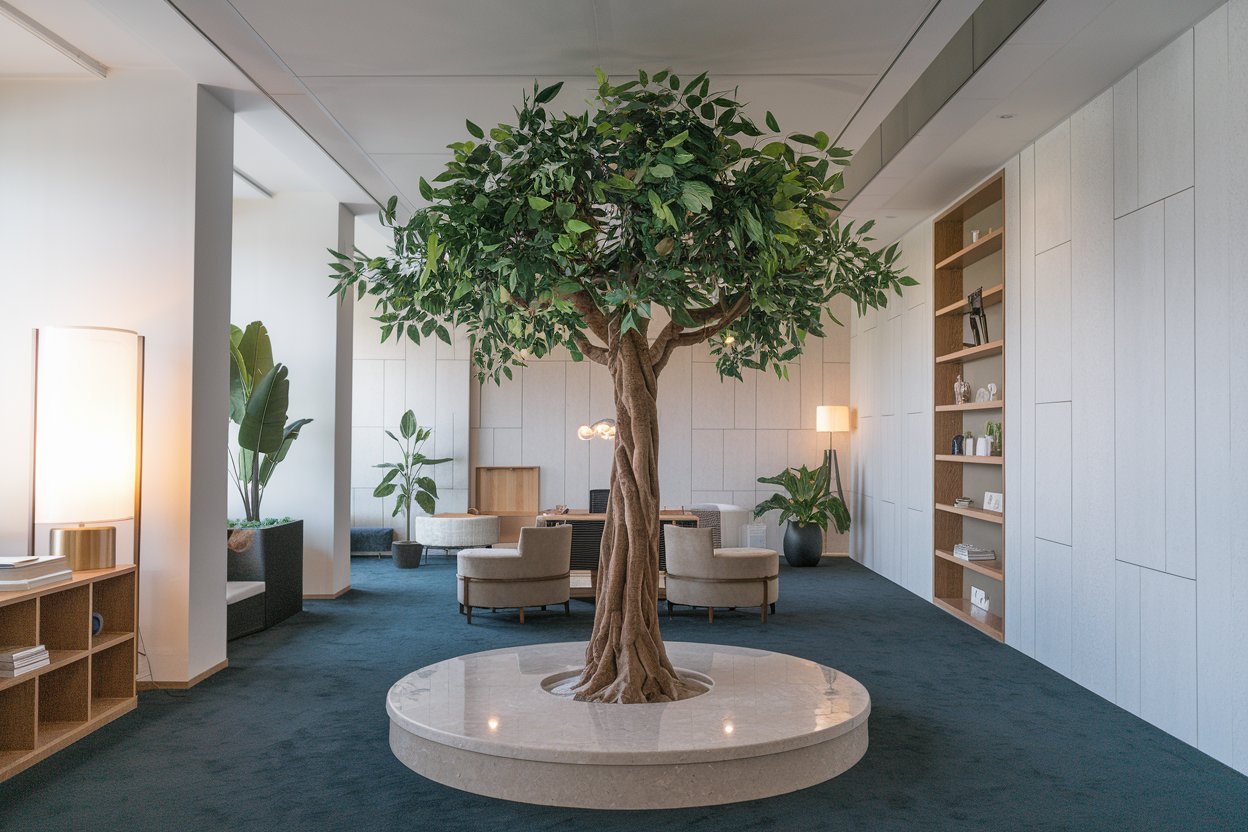
The first step in creating your indoor garden with artificial plants is selecting the right location. Your indoor garden can go anywhere – from windowsills and shelves to corners of the room, or even as a centerpiece on a table. The key is to find a spot that will complement the rest of your decor.
Key considerations:
- Choose a space that gets plenty of natural light, even if the plants themselves do not need sunlight.
- Pick areas that are easily visible from different angles to maximize the aesthetic impact of your plants.
- Think about scale and how the plants will fit within the space. Consider the size of your room and the dimensions of the plants you plan to use.
Step 2: Select Artificial Plants That Mimic Real Plants
When selecting artificial plants, focus on quality and realism. Modern artificial plants are designed to mimic real plants as closely as possible, with realistic leaves, colors, and textures. Choose a variety of plants that complement each other in terms of size, color, and shape.
Popular choices for an indoor garden:
- Artificial succulents – Great for adding texture and color in smaller pots.
- Fake ferns – These lush, green plants bring life to any space and require no care.
- Artificial flowers – Add pops of color with faux flowers like roses, lilies, or orchids.
- Artificial palms – A fantastic choice for larger spaces, bringing tropical vibes to your home.
- Artificial vines and hanging plants – Perfect for hanging baskets or draping down from high shelves.
Step 3: Choose Stylish Containers
The containers you use for your artificial plants can be just as important as the plants themselves. The right container can enhance the overall look of your garden and complement your home’s decor. When selecting pots or planters, choose ones that will not only hold the plants but also fit the aesthetic of your space.
Container tips:
- Use ceramic, terracotta, or woven baskets for a more natural, earthy vibe.
- Go for modern, sleek pots made from materials like concrete or metal for a contemporary look.
- Add a pop of color with bright or patterned planters to match the decor style.
- Don’t forget to use saucers or liners inside the containers to catch dust or dirt that may accumulate over time.
Step 4: Arrange Your Plants Creatively
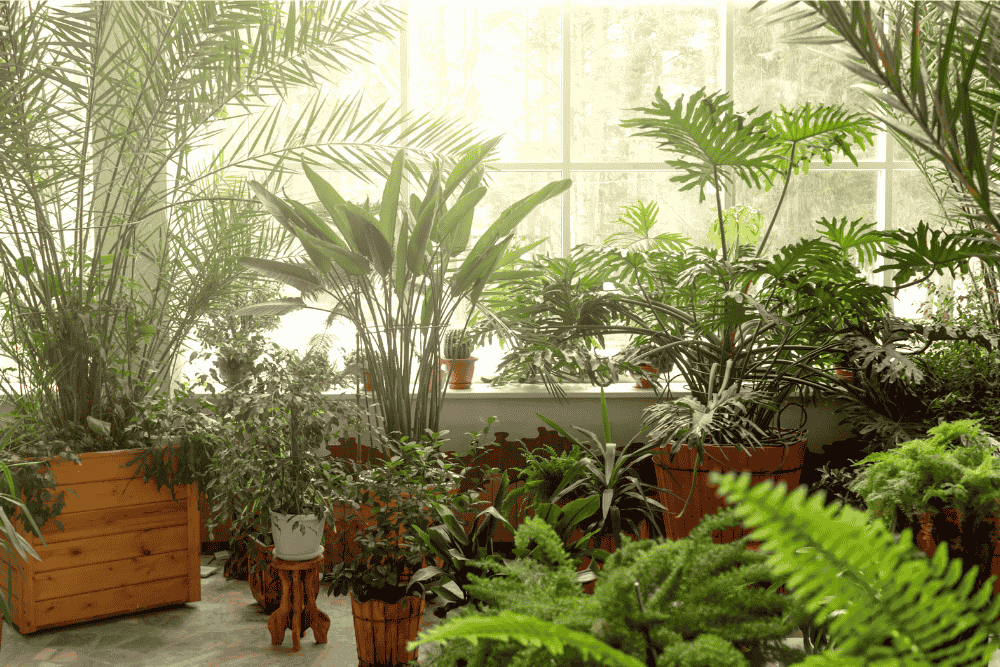
Now that you have your plants and containers, it’s time to arrange them. The arrangement plays a crucial role in how your indoor garden will look. Consider creating layers, placing taller plants at the back and shorter ones at the front, to give the garden depth. You can also mix different types of plants, such as pairing large leafy plants with smaller, more delicate ones, to create a more dynamic effect.
Arrangement tips:
- Use varying heights and sizes to create visual interest.
- Group plants by type or color to maintain a cohesive look.
- Experiment with asymmetrical arrangements for a more natural, informal feel.
- Mix plants with different textures, like glossy leaves and matte ones, to add depth.
Step 5: Incorporate Decorative Elements
To further enhance the beauty of your indoor garden, consider incorporating decorative elements. These can include pebbles, rocks, or moss placed in the pots to make the plants look more realistic. Additionally, decorative items such as small statues, fairy lights, or themed objects can complement the plants and bring personality to the space.
Ideas for decorative elements:
- Fairy lights – String lights around the plants or hang them above the garden for a magical effect.
- Decorative stones or pebbles – Add texture and contrast at the base of the plants.
- Candles or lanterns – Add soft lighting and warmth to the space.
- Sculptures or figurines – Use unique pieces that reflect your personal style and taste.
Step 6: Maintain Your Artificial Garden
One of the biggest advantages of an indoor garden with artificial plants is the minimal maintenance required. However, your artificial plants will still need occasional care to keep them looking their best.
Maintenance tips:
- Dust regularly – Artificial plants can accumulate dust, so it’s important to clean them regularly using a soft cloth or duster.
- Clean with a damp cloth – Occasionally wipe down the leaves with a damp cloth to remove dust and grime.
- Store properly – If you’re not planning to display your plants for an extended period, store them in a cool, dry place to avoid damage.
Step 7: Experiment with Different Arrangements
Don’t be afraid to switch up the arrangement of your artificial plants from time to time. An indoor garden doesn’t have to be static. By experimenting with different plant placements and container styles, you can refresh the look of your space without much effort. Try seasonal arrangements or move plants around to create new focal points.
Why Choose Artificial Plants for Your Indoor Garden?
Artificial plants offer several benefits that make them a popular choice for home decorators:
- No maintenance required: Unlike real plants, artificial plants don’t need watering, pruning, or special care.
- Long-lasting: Quality artificial plants can last for years, making them a cost-effective investment.
- Allergy-free: Artificial plants are an excellent choice for people with allergies as they don’t produce pollen or spores.
- Variety: Artificial plants come in a wide variety of shapes, sizes, and styles, allowing you to create the garden of your dreams without restrictions.
FAQs
1. How long do artificial plants last?
With proper care, artificial plants can last for many years. High-quality plants made from UV-resistant materials can also be used in direct sunlight without fading.
2. Do artificial plants look realistic?
Yes, artificial plants have come a long way in terms of design. High-quality options use advanced materials that closely mimic the texture, color, and appearance of real plants.
3. Can I use artificial plants outdoors?
Some artificial plants are designed for outdoor use and are made with UV-resistant materials to prevent fading in the sun. Be sure to check the manufacturer’s guidelines before using them outdoors.
4. How do I clean artificial plants?
To clean artificial plants, simply dust them regularly using a soft cloth or duster. For more stubborn dirt, use a damp cloth or mild soap solution to wipe down the leaves.
5. Can I mix artificial plants with real ones in my indoor garden?
Yes, mixing artificial plants with real ones can create a dynamic, low-maintenance garden. Just ensure that the artificial plants complement the real ones in terms of style, color, and texture.
6. Where can I buy artificial plants?
Artificial plants are available at home decor stores, garden centers, and online retailers. Many specialty stores offer a wide variety of high-quality options to suit your indoor garden needs.
Conclusion
Creating an indoor garden with artificial plants is a fantastic way to enhance the beauty of your home without the hassle of caring for real plants. By choosing the right plants, containers, and decorative elements, you can create a stunning, low-maintenance garden that will brighten up any space. With the step-by-step guide provided, you’re well on your way to transforming your indoor space into a lush, vibrant oasis that feels natural and inviting. Whether you’re a plant enthusiast or a first-timer, artificial plants are the perfect solution for anyone looking to enjoy nature indoors.
Share This Post:
Facebook
Twitter
LinkedIn
Pinterest
Latest Projects
⑊
What Our Clients Say
"From start to finish, working with Floral was a breeze. They provided a fantastic selection of artificial arrangements that added a touch of luxury to our venue. The plants are realistic and beautiful."
Farida KhaledEvent Planner
"We were looking for something to brighten up our living room, and Floral delivered. The artificial trees and flowers were perfect, providing elegance without upkeep. A fantastic addition to our home."
Maya FathyHomeowner
"Working with Floral was a pleasure. Their artificial plants are perfect for our office, brightening the space without the care real plants need. We’re very pleased and highly recommend them."
Hani OmarOperations Manager
Sign Up & Enjoy 10% Off Your First Order